
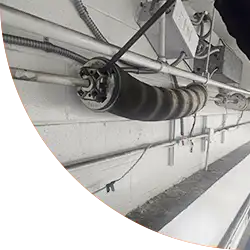
Garage door spring replacement is typically needed when a spring breaks, shows significant damage, or can no longer support safe, balanced door operation. Spring lifespan depends on cycle rating, daily use, door weight, installation, and environmental conditions. A spring rated for 10,000 cycles could last about 7 years with four daily cycles, but actual service life varies.
Your garage door might work perfectly today and refuse to open tomorrow. That’s often how spring problems appear. Unlike a worn roller that might squeak for months, a spring can break with little obvious warning. For San Diego homeowners, knowing when to replace garage door springs can help prevent unexpected breakdowns and unnecessary spending.
At Butler Garage Doors, we believe homeowners deserve clear explanations and repair options at different price points. Here’s how to recognize potential spring problems, understand their expected lifespan, and decide when replacement makes sense.
How Long Do Garage Door Springs Usually Last?
Most garage door springs are rated by operating cycles rather than years. One cycle means opening and closing the garage door once.
For example, a spring rated for 10,000 cycles will have a different estimated lifespan depending on how frequently your household uses the garage.
| Daily Garage Door Cycles | Estimated Time to Reach 10,000 Cycles |
| 2 cycles per day | About 13.7 years |
| 4 cycles per day | About 6.8 years |
| 6 cycles per day | About 4.6 years |
| 8 cycles per day | About 3.4 years |
These estimates illustrate a hypothetical 10,000-cycle spring, not a guaranteed lifespan or a verified rating for any specific installed spring. Consider how your household uses the garage. If it’s your main entrance, the door may open and close several times daily. A garage primarily used for storage might see far fewer cycles. Spring quality, correct sizing, and door condition also matter. Even a high-cycle spring can wear prematurely if it isn’t properly matched to the garage door. The important takeaway is simple: an older spring doesn’t automatically need replacing, and a newer spring isn’t guaranteed to be problem-free.
5 Warning Signs You May Need Garage Door Spring Replacement
Garage door springs work under substantial tension to counterbalance the door’s weight. When something goes wrong, the problem can affect the entire system. Here are five warning signs worth taking seriously.
1. You Notice a Visible Gap in the Spring
A visible separation in a torsion spring is a strong indication that the spring has broken. You might also hear a sudden, loud bang from the garage before noticing that the door no longer operates normally. Broken springs cannot safely support the door as intended.
What to do: Stop operating the garage door and arrange professional service. Do not attempt to reconnect, unwind, or adjust the spring.
2. Your Garage Door Feels Heavy or Moves Unevenly
Garage doors can weigh hundreds of pounds, depending on their size and construction. Springs help counterbalance that weight so the door can move properly.
When a spring fails, the door may:
- Struggle to open or stop partway.
- Move unevenly or appear crooked.
- Place unusual strain on the opener.
- Make sudden or unfamiliar noises.
These symptoms can also indicate other mechanical problems.
If you notice these changes, stop using the door. Don’t attempt to lift it manually or pull the emergency release to test its weight.
3. You See Loose Cables or Damaged Hardware
Garage door cables and springs work together as part of the counterbalance system. A loose cable, displaced roller, or damaged drum doesn’t automatically confirm that a spring has failed. However, it can indicate a serious problem requiring immediate attention. Look from a safe distance for cables hanging unusually low, crooked door sections, or visible hardware damage. The Door & Access Systems Manufacturers Association, known as DASMA, advises homeowners to leave spring-system repairs to trained professionals because the components operate under high tension.
Never attempt to remove or adjust cables, drums, or springs yourself.
4. The Springs Show Significant Rust or Corrosion
Surface rust doesn’t always mean a spring needs immediate replacement, but corrosion deserves attention. Rust can weaken spring wire over time and contribute to fatigue. This is particularly relevant for homeowners in coastal communities around San Diego, where salt-laden air and moisture may increase corrosion exposure. During an inspection, a technician can determine whether the corrosion is superficial or whether the spring’s condition justifies replacement.
5. Your Springs Are Aging and Showing Performance Problems
Age alone isn’t enough to diagnose a failing spring. However, an older spring combined with uneven movement, visible wear, or a history of unusually frequent operation may deserve closer inspection. Think about when your springs were installed and whether your garage usage has changed. If your technician identifies significant wear or incorrect spring sizing, replacement may make more sense than waiting for a breakdown. The goal isn’t to replace working parts unnecessarily. It’s to identify a genuine problem before it affects safe door operation.
When Should You Replace Garage Door Springs?
Not every spring showing signs of age needs immediate replacement. The decision should be based on its condition, suitability for the door, and findings from a professional inspection.
| Spring Condition | Recommended Action |
| Spring is visibly broken | Stop using the door and schedule replacement |
| Door is heavy, crooked, or unbalanced | Stop operation and request an inspection |
| Spring has significant corrosion or wear | Have a technician assess its condition |
| Spring is older but door operates normally | Schedule preventive inspection |
| One spring in a two-spring system breaks | Discuss replacing the matched pair |
| Spring rating or sizing is incorrect | Ask about properly matched replacement options |
A spring replacement is not the same as replacing the entire garage door. If your door panels, tracks, rollers, and other components remain in good condition, replacing the failed spring may be sufficient.
For professional assistance, explore Butler’s garage door spring repair services.
What Affects Garage Door Spring Lifespan in San Diego?
San Diego’s climate is generally mild, but local conditions and household habits still influence how long springs last.
Coastal Moisture and Salt Air
Homes closer to the coastline may experience greater exposure to moisture and salt. Over time, corrosion can contribute to spring deterioration. However, living near the beach doesn’t automatically mean your springs will fail early. The garage’s ventilation, exposure, and maintenance history all matter.
Garage Door Weight
Springs need to match the actual weight and configuration of your garage door. Adding insulation, changing panels, or modifying the door can alter its weight and affect the existing spring system. A technician should confirm the appropriate replacement specifications rather than selecting a spring based solely on appearance.
Daily Garage Usage
More opening and closing cycles generally mean faster progress toward a spring’s rated cycle life. If your family uses the garage as the main entrance, your springs may experience significantly more daily use than those on a lightly used garage.
Installation and Maintenance
Correct spring selection, installation, and maintenance are important for long-term performance. Following manufacturer guidance and arranging periodic professional inspections can help identify developing problems.
For more technical information, see this spring cycle life guidance.
Should You Replace Both Garage Door Springs at the Same Time?
If your garage door uses two springs and one breaks, replacing both is generally recommended. Why? Both springs have typically experienced similar usage. The remaining spring may have accumulated comparable wear, even if it hasn’t broken yet. For two-spring systems, DASMA’s garage door safety guidance recommends replacing both springs when one fails.
However, not every garage door has two springs. Your technician should confirm your door’s configuration, explain the condition of both springs, and provide an estimate based on the actual repair needed.
Are High-Cycle Garage Door Springs Worth the Investment?
High-cycle springs are designed for a greater number of operating cycles than lower-rated alternatives.
They can be worth considering if your garage door sees frequent daily use.
Before choosing an upgrade, ask your technician:
- What is the rated cycle life of each spring option?
- Is the spring properly sized for my garage door?
- How much more does the higher-cycle option cost?
- What parts and labor are included?
- What warranty applies to each option?
A higher-cycle spring may offer better long-term value for a busy household, but it isn’t automatically the best choice for everyone.
At Butler Garage Doors, the approach is to explain the available options and their price differences so homeowners can decide what makes sense for their needs.
How Much Does Garage Door Spring Replacement Cost in San Diego?
Garage door spring replacement costs vary depending on the type of spring, the size and weight of the door, and the work required.
Several factors can affect your final estimate:
- Spring type: Torsion and extension spring systems have different requirements.
- Number of springs: Replacing one spring differs from replacing a matched pair.
- Cycle rating: Higher-cycle options may have different material and installation costs.
- Door size and weight: Larger or heavier doors may require different spring specifications.
- Additional repairs: Damaged cables, bearings, or other components may increase the scope of work.
There’s no reliable single price that applies to every garage door.
Rather than relying on a generic online estimate, request a written quote explaining the recommended spring, labor, and any necessary additional parts. A good estimate should also separate required repairs from optional upgrades.
What Happens During a Professional Spring Replacement?
A professional spring replacement should involve more than installing a new part. A technician typically begins by inspecting the garage door’s condition and identifying the source of the problem.
The service process may include:
- Inspecting the existing springs and related hardware.
- Confirming the door’s weight and required spring specifications.
- Explaining the necessary repair and available replacement options.
- Replacing the damaged springs using proper equipment.
- Checking door balance, operation, and applicable safety features after the repair.
If the inspection reveals additional concerns, the technician should explain why those components need attention. At Butler Garage Doors, we want homeowners to understand what they’re paying for rather than feeling pressured into repairs they don’t need.
If the source of the problem isn’t clear, a broader garage door repair inspection can help identify the issue.
Frequently Asked Questions About Garage Door Spring Replacement
How Many Years Do Garage Door Springs Last?
Garage door spring lifespan varies based on cycle rating and usage. A spring rated for 10,000 cycles could reach that rating in about 6.8 years at four daily cycles. Actual lifespan may be shorter or longer depending on installation, door weight, maintenance, and environmental conditions.
How Do I Know If My Garage Door Spring Is Broken?
Common signs include a visible gap in a torsion spring, a loud bang, uneven door movement, or a door that suddenly becomes difficult to open. Stop using the door and request an inspection to confirm the cause.
Can I Open My Garage Door With a Broken Spring?
You should not operate a garage door with a suspected broken spring. Using the opener or attempting to lift the door manually can create dangerous conditions. Keep the area clear and contact a qualified garage door technician.
Should I Replace Both Garage Door Springs If One Breaks?
If your garage door uses two springs, replacing both is generally recommended because they have typically experienced similar wear. A technician should confirm the spring configuration and explain the recommended repair.
Is It Better to Repair or Replace a Garage Door Spring?
A broken spring generally needs replacement rather than repair. If the spring is simply older but operating correctly, professional inspection may be more appropriate than immediate replacement.
Does Salt Air Make Garage Door Springs Wear Out Faster?
Salt air can contribute to corrosion, which may affect spring durability. Coastal exposure is one factor, but the spring’s condition, installation, and usage determine whether replacement is necessary.
How Much Does Garage Door Spring Replacement Cost?
The total depends on the spring type, door weight, number of springs, cycle rating, and related repairs. Homeowners should request an itemized estimate showing parts, labor, and optional upgrades before authorizing replacement.
Can I Replace Garage Door Springs Myself?
Garage door spring replacement is not recommended as a DIY project. Springs store substantial energy, and incorrect handling can cause serious injury. Have a qualified technician perform the replacement.
Need Garage Door Spring Replacement in San Diego?
A broken garage door spring can disrupt your day, but choosing the right replacement shouldn’t be complicated.
Whether your spring has snapped or you’re concerned about an aging system, Butler Garage Doors helps homeowners understand their options before moving forward.
Serving San Diego and surrounding communities from Chula Vista, our team focuses on explaining the problem, recommending appropriate repairs, and offering options at different price points when available.
Call Butler Garage Doors at 619-404-2213 or request a garage door spring inspection today. Get the information you need to make a confident repair decision.