
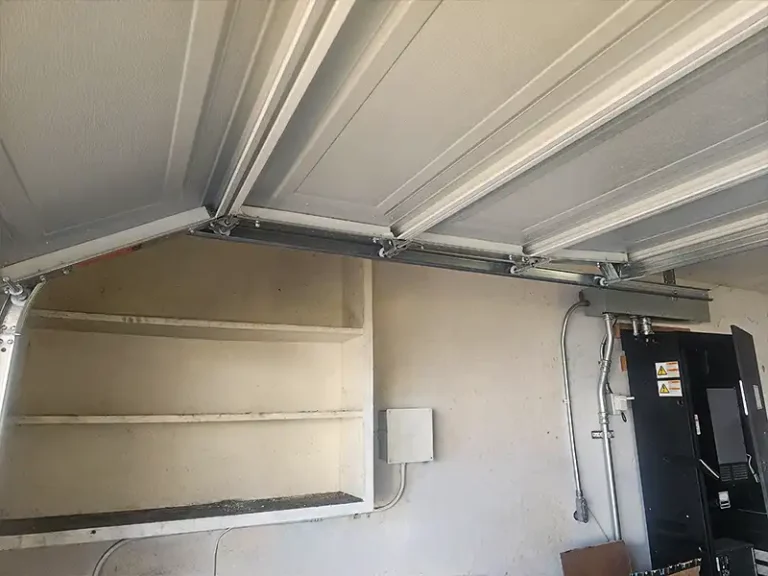
If you are wondering how often should you service your garage door, the honest answer depends on how the door is used and what the marine air along the coast does to its hardware over time. Most homeowners in San Diego County get the best results from a professional check once a year, paired with a few simple visual checks in between. Doors that see heavy daily use, sit near the coast, or are already showing rough movement often need attention closer to every six months.
Butler Garage Doors works on doors throughout San Diego County from our base in Chula Vista, so we see the same wear patterns repeat across neighborhoods with very different weather. A door in a shaded garage in Eastlake ages differently than one baking against a west-facing wall in Bonita. The guidance below gives you a straight answer and honest options rather than a one-size-fits-all number, because your driveway is not everyone else’s driveway.
Why San Diego County Weather Changes The Maintenance Timeline
San Diego does not deal with snow or deep freezes, and that is genuinely good news for garage door hardware. Rust from road salt and cracking from hard freezes are rarely the culprits here. Instead, the two forces that age a door locally are salt air near the coast and daily temperature swings that dry out lubricant faster than owners expect.
Homes within a few miles of the coast, including parts of Chula Vista, Coronado, and Imperial Beach, tend to see faster corrosion on springs, hinges, and rollers. Salt in the air settles on exposed metal and speeds up rust even when a door looks clean. If your home falls into that zone, an annual professional visit is a reasonable floor, and some owners choose to add a mid-year check.
Inland communities such as El Cajon, Santee, and parts of Chula Vista further from the water deal less with salt and more with heat cycling. Garages that get very warm during the day and cool at night cause metal parts to expand and contract, which gradually works fasteners loose and dries out factory lubricant. A once-a-year tune up still covers most of these homes, but doors used multiple times a day, such as those in households with several drivers, benefit from a look every six to eight months.
Dust and fine grit are the other quiet factor across the county. Grit works its way into tracks and rollers and acts like sandpaper every time the door cycles. Owners who notice gritty buildup on the tracks between scheduled visits should not wait for the calendar. A quick wipe down and a call to schedule service earlier is cheaper than letting grit grind down a roller.
Signs Your Garage Door Needs Attention Now
A yearly schedule is a helpful baseline, but a garage door will usually tell you when it needs sooner attention. New noise is the most common tell. A door that used to run quietly and now grinds, squeals, or bangs at a specific point in its travel is flagging a specific mechanical issue rather than general age.
Uneven movement is another clear signal. If one side of the door visibly rises or falls faster than the other, or the door looks crooked as it moves, the balance of the system has shifted. This kind of imbalance puts extra strain on the opener and on whichever side is compensating, and it tends to get worse quickly rather than resolve on its own.
Visible wear on cables or springs is worth a same-week call rather than a wait-and-see approach. Frayed strands on a cable, gaps in the coils of a spring, or rust concentrated at one spot on either component means that part is closer to failure than the rest of the door. If you see any of this, do not test the door repeatedly to check whether it still works. No. Stop using the door.
A door that reverses unexpectedly while closing, or one where the safety sensors near the floor seem to trigger inconsistently, also needs prompt attention. These sensors exist specifically to prevent the door from closing on a person, pet, or object, and inconsistent behavior means that protection is not reliable. Waiting on a safety feature is not the same as waiting on a cosmetic issue.
Finally, pay attention to how the door feels if you ever operate it manually during a power outage or opener issue. A door that feels unusually heavy, jerky, or hard to lift by hand is often out of spring balance. That is a job for a trained technician, not a homeowner with a stepladder. No. Stop using the door.
What A Professional Tune Up Actually Covers
A proper tune up is more than a squirt of lubricant. A technician typically checks the balance of the door by disengaging the opener and testing how the door moves under spring tension alone, since a well-balanced door should stay roughly in place partway open. Hardware such as hinges, rollers, and the track are inspected for wear, misalignment, and loose fasteners, and lubricated with a product made for garage door components rather than a generic household spray.
Springs and cables get a close visual inspection for rust, fraying, and coil gaps, since these are the parts under the most tension and the most likely to cause an injury if they fail unexpectedly. The opener itself is checked too, including the force settings, the travel limits, and the auto-reverse safety feature that should stop and reverse the door if it meets resistance while closing. Weatherstripping and the bottom seal are checked as well, since a damaged seal lets in dust, moisture, and pests along with drafts.
Butler Garage Doors currently offers a $59 tune up for this kind of visit across San Diego County. That price is a current promotional rate and it is subject to change, so confirm the exact price and what is included when you call to book. For homes with more involved needs, our team can walk through the details of a full garage door maintenance visit and explain what applies to your setup, or review our general garage maintenance overview for what a routine visit includes.
Same-day and emergency service is available for doors that need attention faster than a routine scheduling slot allows, which matters most when a spring has already failed or a door will not close securely overnight.
Homeowner Checks You Can Safely Do Between Visits
There is a real, useful role for a homeowner between professional visits, and it does not involve touching anything under tension. Start with a simple look at the tracks on both sides of the door. They should be clean, free of dents, and lined up straight from top to bottom without gaps where the rollers sit.
Listen to the door as it opens and closes on a normal basis, not just when something seems wrong. Most owners get used to their door’s normal sound, which makes a new grind, squeal, or thud easier to notice early rather than after it has gotten worse. If a new sound shows up, note roughly where in the door’s travel it happens, since that detail helps a technician diagnose the issue faster.
Check the weatherstripping along the bottom of the door and around the frame for cracking, gaps, or places where it has pulled away. A worn seal is an easy do-it-yourself fix in many cases and does not involve spring tension or moving parts under load. Replacing it yourself is reasonable if you are comfortable with basic tools.
Test the auto-reverse safety feature periodically by placing a roll of paper towels or a similarly soft object in the door’s path while it closes. The door should stop and reverse on contact rather than continuing to press down. If it does not reverse, treat that as a safety issue and stop using the automatic opener until it is checked, since a door that fails to reverse can cause serious injury.
Wipe down the photo-eye sensors near the bottom of the tracks with a soft cloth if they look dusty, since dirt on the sensor lenses is a common and harmless-to-fix reason a door refuses to close properly. This is one of the few fixes that genuinely just needs a clean cloth and two minutes.
What you should never do is attempt to adjust, tighten, lubricate, or replace the springs, the cables, or the bottom brackets they attach to. These parts store enormous tension even when the door looks still, and a spring or cable that lets go while someone is working near it can cause serious injury. No. Stop using the door.
When To Call Butler Garage Doors Instead Of Waiting
A door that has stopped moving entirely, especially stuck partway open, should not be forced by hand repeatedly while you wait for a scheduled slot. A loud bang followed by the door refusing to move is a strong sign a spring has broken, and the door should be left alone until a technician arrives.
If your garage door is the primary entry point people in your household use, a broken door is also a security issue, not just an inconvenience. Butler Garage Doors offers same-day and emergency service across San Diego County for exactly these situations, so you are not stuck choosing between an unsafe workaround and days without a functioning garage.
For less urgent situations, such as noticing early wear during your own visual checks or wanting a scheduled tune up before it becomes a repair, our team can talk through timing and pricing over the phone. You can reach Butler Garage Doors at (619) 404-2213, or review garage door repair options before you call. If a spring or cable is the concern, our spring repair page covers that job. When ready to schedule, the contact page is the fastest way to reach our team.
Frequently Asked Questions
How Often Should A Garage Door Be Serviced In San Diego?
Most homeowners in San Diego County do well with one professional tune up per year, moving to every six to eight months if the door is used heavily, sits near the coast, or has already shown early signs of wear. Homeowners can also do simple visual and sound checks between visits without touching any tensioned hardware.
What Happens If I Never Service My Garage Door?
Skipping maintenance does not usually cause a sudden failure right away, but it lets small problems compound quietly. Dry hinges, loose fasteners, and worn rollers put extra strain on the springs and opener, which tends to shorten the life of the more expensive parts and raises the odds of a sudden breakdown at an inconvenient time.
How Much Does A Garage Door Tune Up Cost?
Pricing varies by market and by what a specific door needs. As national context, a garage door diagnostic visit commonly runs in the fifty to seventy five dollar range, with basic single-component repairs often landing between about ninety eight and three hundred dollars depending on the part and labor involved. Butler Garage Doors currently runs a fifty nine dollar tune up promotion across San Diego County, but treat that as a current promotional price and confirm it when you call, since promotional pricing can change.
Can I Do Garage Door Maintenance Myself?
You can safely handle several things yourself, including checking the tracks for debris, listening for new noises, cleaning dusty photo-eye sensors, and inspecting weatherstripping for cracks. Anything involving the springs, the lift cables, or the brackets they attach to should be left to a trained technician because of the tension stored in those components.
Is It Safe To Keep Using My Garage Door If The Cable Looks Frayed?
No. Stop using the door. A frayed cable is under constant tension and can snap without much warning, and a snapped cable near the door or near someone standing close to it can cause a serious injury. Have it inspected and replaced by a professional before operating the door again.
How Do I Know If My Garage Door Spring Is Going Bad?
Warning signs include a door that suddenly feels much heavier to lift by hand, visible gaps between the coils of the spring, rust concentrated in one area, or a loud bang from the garage followed by the door refusing to move. Any of these calls for a professional inspection rather than continued use, since a spring under partial failure can let go the rest of the way with very little warning.
Does Butler Garage Doors Offer Emergency Service In San Diego County?
Yes, same-day and emergency service is available for situations like a broken spring, a door stuck open, or a door that will not close securely, in addition to scheduled maintenance visits. Call (619) 404-2213 to describe the issue and get a sense of how quickly someone can get to you.
How Long Does A Typical Garage Door Tune Up Take?
A standard tune up visit generally takes under an hour for most residential doors, though the exact time depends on what the technician finds once the door is inspected and whether any adjustments beyond routine lubrication are needed. If a deeper issue turns up during the visit, the technician will walk you through what it would take to address it rather than proceeding without your approval.